Two Types of New Traders and the Importance of Preparation
When starting out with trading there are usually two types of people: one type where it’s too tempting and you just skip to the ‘exciting’ part where you are placing trades and watching the markets move. With a thought close to madness, that you might actually be a natural and not need to do any learning. This was me, I may have won a trade or two for a start but I soon lost any profits and more. The other is the type where you will over-research everything and undoubtedly become overwhelmed sooner or later. There is so much information to try and digest and without strict direction it’s just too much to comprehend. It is quite often you will end up having the fear – the fear to even place a single trade with your own money. Neither types are particularly helpful to the progress although we are humans right? Ideally for timeless trading basics, you want to strike a balance between these two extremes, learning enough to be prepared while also taking action.
Discovering Dr. Alexander Elder’s “The New Trading for a Living”
It is vital to prepare yourself and your mind BEFORE trading for the first time. This preparing of your mind is also extremely true, every single day, beginner or professional. After losing a fair amount of money, somehow I was still interested and wanted to make it work so I realised that I needed to go back to the start and begin learning as much as possible. I extensively looked around for something that is well respected and also comprehensive and I eventually found Dr. Alexander Elder’s book “The New Trading for a Living”. It soon became a complete goto when I was learning the timeless trading basics and I want to share some of these aspects of the book with you now.
Psychology is Fundamental in Timeless Basics for Trading
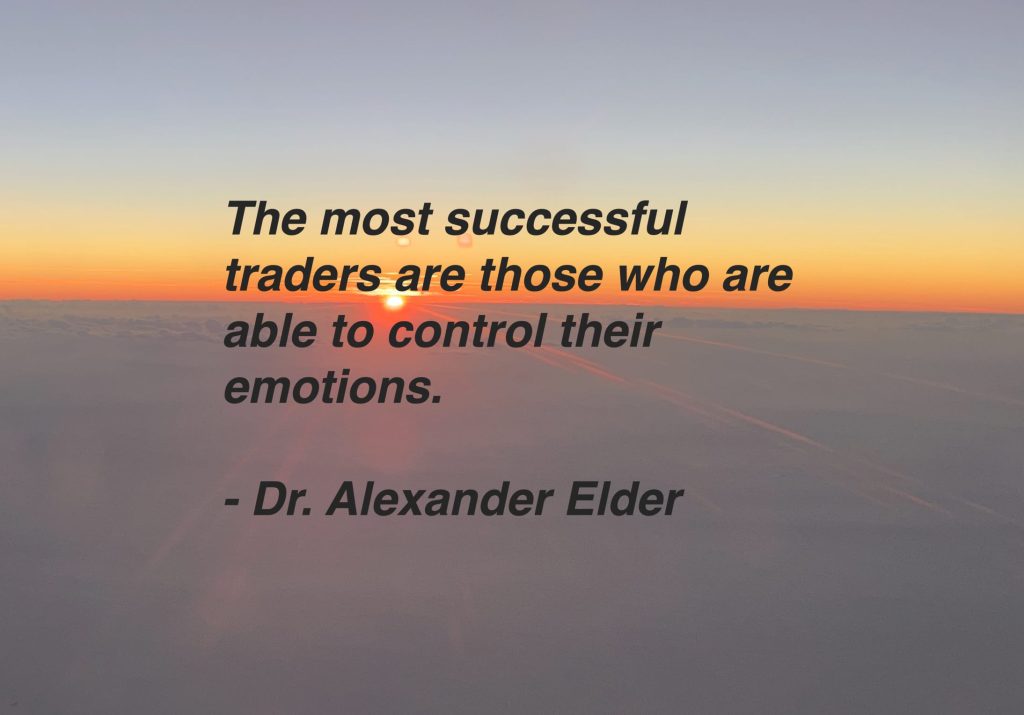
There is a huge aspect in Elder’s book purely regarding to Trading Psychology, and for a good reason. Trading is more about ‘you’ than it is about the technical skills of navigating a chart or indicators. If you can’t conquer your own mind then it makes successful trading extremely difficult. In order to become a successful trader, you need to be able to control emotion, fear, greed and hope. All of these will cloud your judgement when trading. If you just lost a lot of money on your last trade – will this impact how you trade on your next? If you open a trade and it goes against you, will you feel like there is hope and it will turn around? Dr Alexander Elder encourages building a high level of self-awareness, not only your strengths, but also your weaknesses. I found it difficult to understand this aspect on my own, so I actively sought out additional courses and books to gain a deeper understanding. Consider things like meditation, visualisation and especially checklists. Trading checklists are a valuable tool we rely on to maintain focus and minimise distractions during trading. We’ll cover this topic in more detail in another article. It is also important to have patience, resilience and the ability to adapt constantly with the changing market conditions.
Building Unwavering Trading Discipline Basics
Self discipline is key in many areas of life and in trading it is crucial. When you develop a well researched plan or strategy then it is down to you to stick to it, nobody else. You need to own your decisions and you must go with your rules. If you break them then it is simply impossible to improve as you will not be able to see if it’s working or not. Trading should never be gambling. If you are impatient and trade impulsively when you see the market fluctuations instead of trading to a plan, then it is sheer gambling. Remember that you are risking more than you need to and the probability of a positive outcome falls drastically. Remain focussed, even in the most challenging times. Discipline is one of the most difficult aspects in trading and without a doubt needs practice. Consider creating specific trading hours and a trading routine. This will become a constructive habit with time and help build the level of discipline needed for becoming a profitable trader.
It is also important to have discipline when you are learning. There is a saying called the “shiny penny syndrome” where you always toss away the old coins when you see a new shiny one. In this case it’s the same with a course becoming old and seeing a newer, better course. Moving from one thing to another makes progress extremely difficult.
If you’ve enjoyed reading this article and want to discover more then head over to part 2 here! You can also sign up to our newsletter to avoid missing out and like/follow/join us on social media!